All About Woodworking Equipment: Optimizing Your Workshops Possible With the Right Devices
Woodworking equipment plays an essential function in any type of workshop, influencing both the quality of job and the efficiency of the process. Selecting the right devices can considerably boost a woodworker's capacities. From stationary devices to portable alternatives, each type offers a distinctive objective. Comprehending these distinctions is crucial. Lots of woodworkers overlook vital variables when selecting their tools. What considerations should be focused on to truly maximize workshop possibility?
Comprehending the Various Kinds Of Woodworking Equipment
Woodworking machinery encompasses a large range of devices, recognizing the different types is necessary for both amateur and professional woodworkers. Different groups exist, each made for certain tasks. Stationary makers like table saws, band saws, and jointers give stability and accuracy for bigger projects. In comparison, mobile devices such as routers and jigsaws use convenience for elaborate job and wheelchair.
In addition, there are customized equipments, consisting of planers and lathes, which accommodate particular woodworking techniques. Each type serves a special function, adding to the general performance and high quality of woodworking ventures.
Understanding these differences permits woodworkers to select the ideal equipment for their jobs, guaranteeing optimal results. As they navigate their workshop requires, experience with these devices boosts ability development and task results, eventually fostering a deeper gratitude for the craft of woodworking.
Important Devices for Every Woodworker
A well-equipped workshop is essential for any woodworker aiming to attain high quality outcomes. Essential devices include a table saw, which gives precision cuts for various products, and a miter saw, best for tilted cuts in framework and molding. Additionally, a bandsaw is invaluable for complex contours and resawing lumber, while a router enables attractive sides and joinery work.
Hand tools also play a vital duty; chisels, airplanes, and hand saws use flexibility and control for in-depth tasks. A drill press is necessary for accurate boring, while a sander aids achieve a smooth finish on jobs. Lastly, safety tools, such as safety glasses and ear defense, is vital to protect the woodworker throughout operations. By having these vital tools, a woodworker can enhance their skills and complete a range of jobs with confidence and effectiveness.
Picking the Right Devices for Your Projects
When picking equipment for woodworking tasks, it is necessary to take into account the certain needs of each task to guarantee the most effective outcomes. Different jobs may demand numerous devices, such as saws, planers, or routers, depending on the intricacy and materials involved. As an example, detailed designs may profit from a scroll saw, while bigger cuts could need a table saw for effectiveness and precision.
In addition, considering the scale of the job is essential. Hobbyists may opt for mobile devices, while expert woodworkers commonly spend in robust equipment for high-volume manufacturing. Security attributes and convenience of usage ought to also play a significant role in the decision-making process, as they add to an extra effective and much safer functioning setting.

Enhancing Accuracy and Performance in Your Workshop
In the quest of boosted accuracy and effectiveness in woodworking, recognizing necessary devices is important. Appropriate calibration techniques and regular upkeep can considerably influence the accuracy of equipment. By concentrating on these facets, woodworkers can maximize their workshop efficiency.
Important Tools Introduction
Woodworking equipment works as the foundation of any kind of reliable workshop, making it possible for artisans to achieve amazing precision in their jobs. Necessary devices such as table routers, jointers, and saws play a vital duty in shaping and refining timber products. Table saws give straight and accurate cuts, while routers add elaborate styles and accounts to edges. Jointers guarantee flatness and straightness, enabling smooth board setting up. Various other crucial machines consist of band saws for curved cuts and pierce presses for consistent opening placement. Each device adds to making best use of effectiveness, minimizing manual effort, and boosting the general high quality of work. Buying these crucial woodworking devices is essential for any craftsmen seeking to raise their workmanship and efficiency in the workshop environment.
Calibration Strategies Described
Precise calibration of woodworking equipment is vital for achieving suitable efficiency and precision in tasks. This process entails changing devices to ensure they run within specified resistances. Techniques for calibration differ based upon the sort of equipment however usually consist of validating measurements versus requirements and making necessary modifications. As an example, table saws need specific blade alignment, while routers might require depth setups fine-tuned. On a regular basis checking and altering machinery not just boosts accuracy however additionally boosts efficiency, minimizing the threat of costly errors. Using adjusted measuring tools, such as calipers and squares, can additionally assure that adjustments are made correctly. Eventually, regular calibration develops a reputable process, permitting woodworkers to concentrate on creativity and craftsmanship without compromising high quality.
Upkeep for Accuracy
Keeping woodworking equipment is essential for achieving accuracy and performance in any workshop. Regular upkeep jobs, such as lubrication, cleansing, and assessment, help guarantee that devices operate smoothly and properly. Dirt and particles can collect, impacting performance and resulting in inaccuracies in cuts. Keeping blades sharp and straightened is essential; plain blades can create tear-out and irregular results. Additionally, examining and adjusting equipment consistently protects against drift, ensuring that dimensions hold. Operators must likewise monitor for wear and change components as required to avoid bigger problems. By prioritizing upkeep, woodworkers can improve both the precision of their job and the life expectancy of their tools, inevitably making the most of performance and accomplishing premium results.
Upkeep Tips for Longevity of Your Equipment
Appropriate upkeep is necessary for extending the life-span of woodworking equipment. Regular cleansing practices and a regular lubrication schedule can considerably boost performance and integrity. By adhering to these standards, operators can ensure their equipment stays in prime condition for many years ahead.
Routine Cleansing Practices
Regular cleansing practices play a crucial role in expanding the lifespan and effectiveness of woodworking equipment. Dust and particles can accumulate on surfaces, bring about potential malfunctions and lowered performance. Operators should regularly examine and cleanse their tools, using a soft brush or pressed air to get rid of sawdust and shavings from elaborate areas. In addition, it is crucial to clean down surfaces with a wet cloth to stop rust and corrosion. Special interest needs my explanation to be given to over here the device's electrical parts, ensuring they continue to be free of contaminants. Keeping a tidy work space not just boosts equipment performance but also promotes safety and security, lowering the threat of crashes triggered by mess. Constant cleaning routines inevitably add to smoother procedures and extended equipment life.
Lubrication Schedule Importance
While drivers might concentrate on cleaning their woodworking equipment, ignoring the lubrication routine can result in considerable wear and tear over time. Lubrication plays a vital duty in keeping peak performance by decreasing friction in between relocating parts, which can prevent getting too hot and damages. A constant lubrication schedule aids assure that machinery operates smoothly, boosting both effectiveness and durability. Operators must seek advice from the maker's standards to determine details lubrication intervals and kinds of oils or oils needed. Additionally, monitoring lube levels and looking for pollutants can even more shield equipment from unnecessary wear. By focusing on a regular lubrication regimen, operators can significantly lower repair service costs and prolong the lifespan of their tools, ultimately optimizing their workshop's productivity.
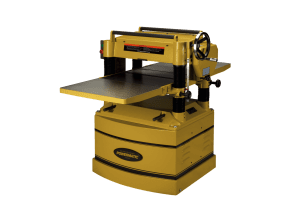
Updating Your Workshop: When and Exactly how to Purchase New Tools
When is the correct time to spend in new tools for a woodworking workshop? When they observe restrictions in their current devices that impede productivity or the top quality of their jobs, a woodworker should take into consideration upgrading their devices. Indications consist of regular repairs, inadequacies, or the failure to perform wanted tasks. Additionally, if a woodworker's abilities have progressed beyond the capacities of their tools, it might be time to purchase brand-new machinery.
Spending plan plays a significant duty in this decision. Looking into tools that use the most effective value and long life is vital. Focusing on vital devices over luxury items can optimize workshop possibility.

Frequently Asked Inquiries
How Do I Securely Run Woodworking Machinery?
To securely operate woodworking equipment, one must use ideal personal safety equipment, comprehend the equipment's handbook, keep a clean office, maintain hands clear of relocating components, and always utilize safety and security features given on the machinery. Wood Glue Applicators.
What Are the very best Brands for Woodworking Equipment?
Popular brand names for woodworking equipment include Powermatic, Grizzly, Jet, DeWalt, and Bosch. Each brand is acknowledged for its top quality, durability, and ingenious attributes, dealing with both specialists and hobbyists in the woodworking community.
Can I Utilize Woodworking Equipment for Various Other Products?
Yes, woodworking equipment can frequently be adapted for materials like plastics or soft steels. Customers need to verify compatibility to avoid damage and achieve optimal outcomes, thinking about each tool's specs and designated function.
How Do I Deal With Machinery-Related Injuries?
To deal with machinery-related injuries, one ought to instantly quit working, assess the injury, use initial help, and seek medical focus if essential. Coverage the occurrence and evaluating safety protocols is essential for preventing future events.
What Is the Typical Life Expectancy of Woodworking Tools?
The ordinary life expectancy of woodworking tools differs extensively, usually ranging from 5 to fifteen years, relying on maintenance, use, and high quality. Correct care can substantially extend their performance and performance throughout their functional life.
Woodworking machinery incorporates a large range of devices, understanding the various types is essential for both amateur and specialist woodworkers - Woodworking Machinery Products. Enthusiasts may choose for mobile tools, while specialist woodworkers typically spend in robust equipment for high-volume production. In the quest of boosted accuracy and efficiency in woodworking, understanding necessary devices is vital. When is the ideal time to spend in new devices for a woodworking workshop? The ordinary lifespan of woodworking devices differs widely, commonly ranging from five to fifteen years, depending on high quality, upkeep, and use
Comments on “Time-Saving Wood Glue Applicators Perfect for Busy Workshops”